
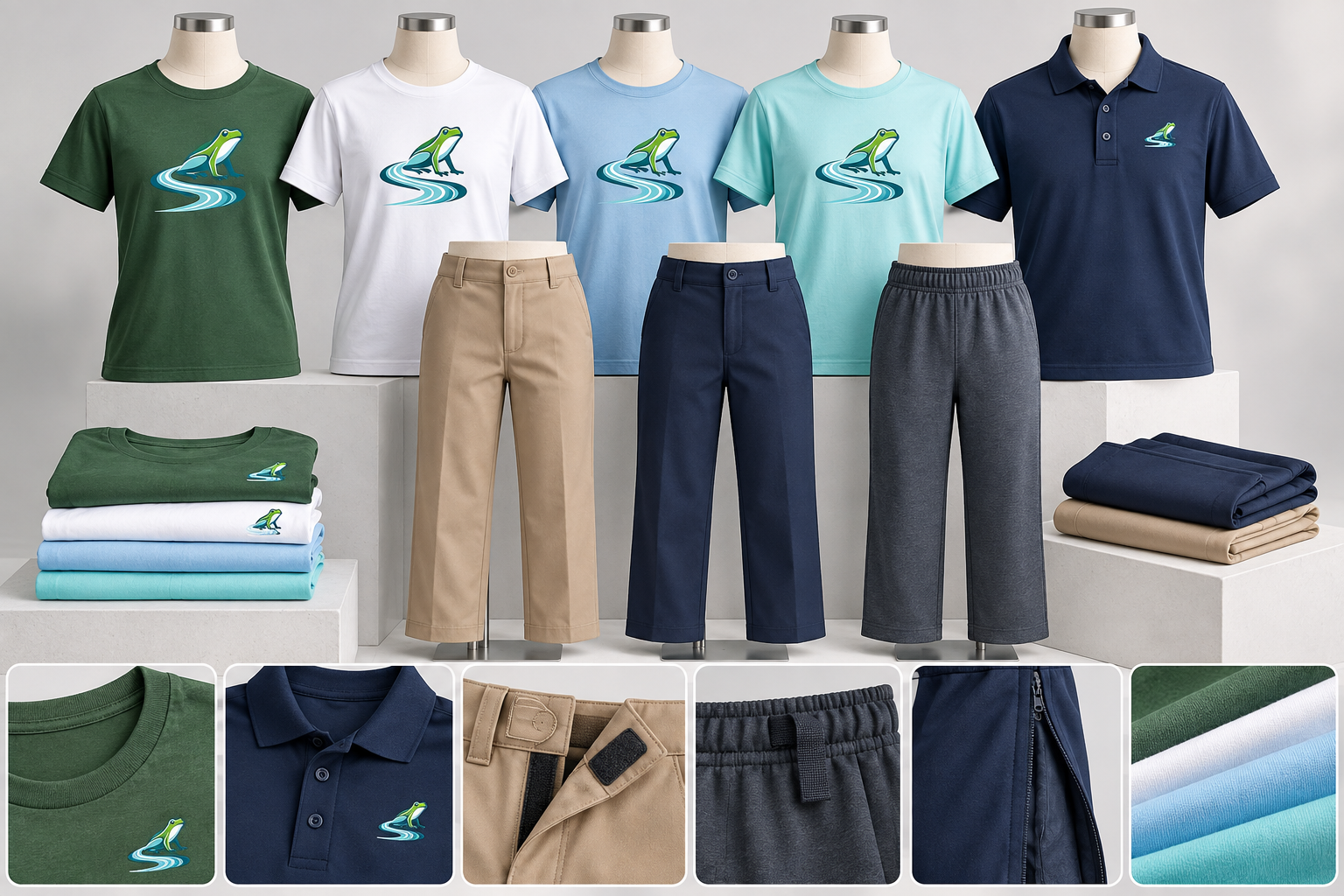
Some students may begin with the softest, simplest clothing they can comfortably tolerate. From there, Brooks can teach one step at a time: a new fabric, a looser collar, an easy fastener, a polo, work-style pants, different shoes, or an outfit for a particular community experience.
The destination is not one “correct” look. It is a broader range of workable choices and the ability to make informed decisions. A student may prefer casual clothing and still learn what is expected for an interview. Another may love formal clothing but need adaptive access. Both students deserve style, choice, and preparation.
Appearance should not be an afterthought
Research and lived experience show that inaccessible clothing can limit community participation, while fit, fashion, cleanliness, and grooming influence how other people respond. Brooks addresses both sides: changing the clothing so it works for the student, and teaching the student how to use clothing and grooming to communicate who they are and what they are ready to do.